
Aston Martin Delays First EV Launch to 2033-2035
Written with artificial intelligence.
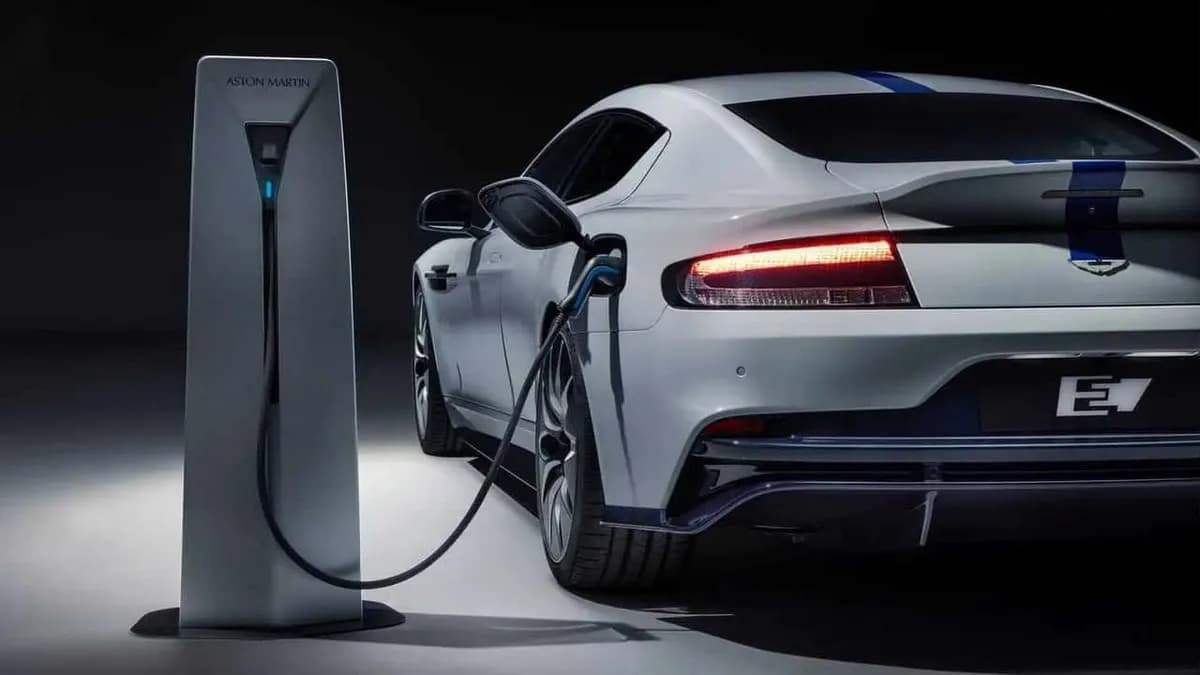
Aston Martin's first electric vehicle will be postponed until at least 2033, with CEO Adrian Hallmark indicating a potential launch as late as 2035. The brand will continue producing V8 and V12 engines through 2035 as it navigates the evolving automotive landscape.
Aston Martin's New Timeline for Electric Vehicle
Aston Martin has announced that its inaugural battery-electric vehicle (BEV) will not debut before 2033 and may be delayed until 2035. CEO Adrian Hallmark emphasized this change, moving away from an earlier target of 2030.
The delay does not affect the company's current lineup of combustion engines. Hallmark confirmed that Aston Martin's V8 and V12 engines will remain in production until at least 2035. He refrained from providing a specific launch date, stating, "It could be 2035, it might be 2033, but it's in that three-year window. It's not 2031."
Strategic Partnerships and Future Compliance
Aston Martin is currently assessing how electric power will fit into specific markets instead of committing to a global rollout. The automaker has formed a partnership with Lucid to leverage electric vehicle technology. Hallmark noted that the delay could benefit the brand by allowing access to more advanced technology by the time they activate this deal.
The company has a plan to keep both large and small combustion engines compliant with emissions regulations through 2035. Hallmark mentioned that hybridization will be part of this plan, although traditional plug-in hybrids may not be pursued due to their infrastructure demands.
Market Challenges and Regulatory Environment
Factors influencing this timeline include customer demand, advancements in battery and motor technology, and varying regional regulations. In the European Union, new CO2 rules will require a 100 percent reduction by 2035 compared to 2021 levels, while the UK will allow hybrids until 2035, after which all new vehicles must be zero-emission at the tailpipe.
Aston Martin’s commitment to combustion engines reflects a broader strategy to adapt to these regulatory changes while still exploring the electric vehicle market in a thoughtful manner.