
FIA Implements New Regulations to Close F1 Cost Cap Loophole
Written with artificial intelligence.
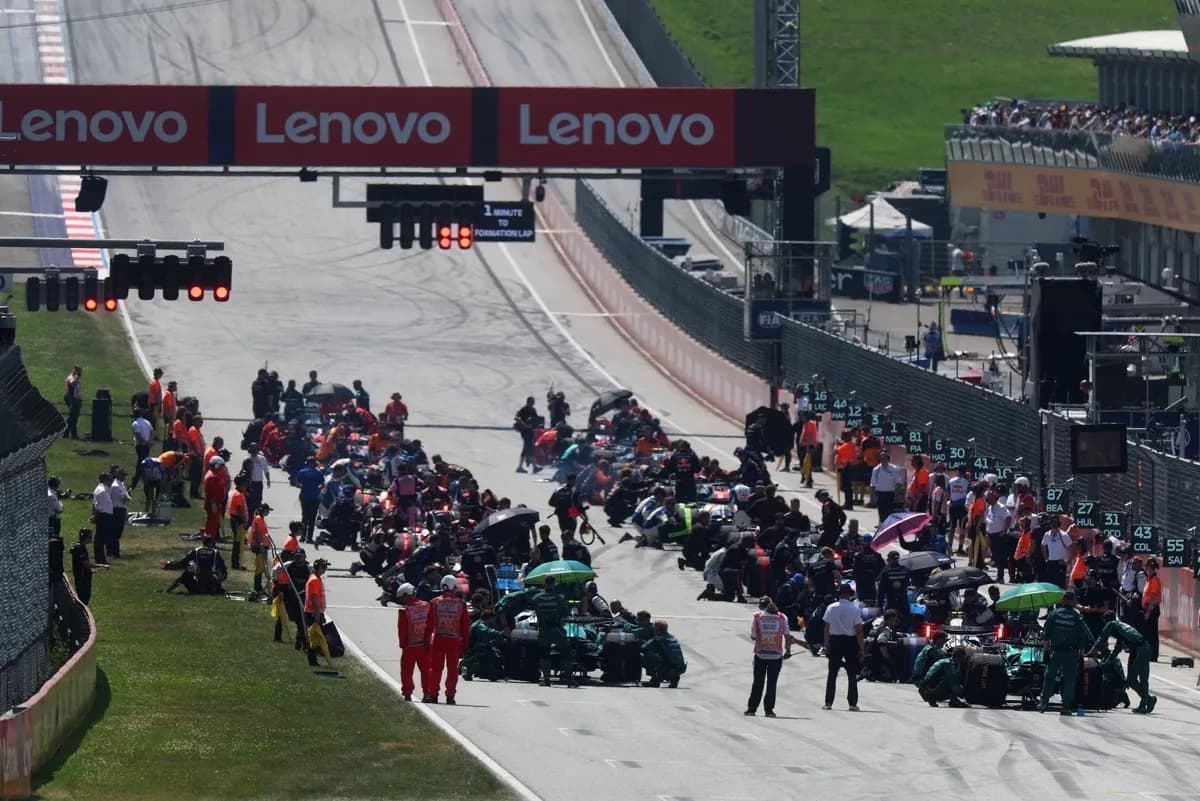
The FIA's World Motor Sport Council has introduced new regulations aimed at preventing non-F1 personnel from contributing to Formula 1 projects. This move is designed to close loopholes that allowed teams to exploit resources from other divisions to evade the budget cap.
New Regulations for F1 Teams
The FIA's World Motor Sport Council has recently approved significant regulations to ensure that non-F1 staff are prohibited from working on Formula 1 projects. This intervention comes in response to concerns that some teams were utilizing personnel and facilities allocated for other activities to bypass the budget cap.
The new rules aim to create a level playing field between teams that participate solely in Formula 1 and those that also engage in other automotive activities. This means that teams affiliated with larger automotive companies will now have to operate independently from their parent organizations. The regulations include five new articles in the 2027 operational guidelines designed to eliminate the loophole that allowed teams to obscure expenses linked to non-racing programs, such as product development and participation in other motorsport series.
Key Changes in Operations
Under the revised framework, teams can no longer share engineering expertise between F1 and other divisions without stringent oversight. The regulations impose strict limits on the use of technological resources, such as simulators and wind tunnels, to prevent any crossover that could influence the budget cap. Notably, non-F1 staff will be barred from entering F1 facilities, and F1 personnel cannot visit other departments.
To further enforce these boundaries, transitioning staff from F1 to other sectors will require a new contract, and their access to company systems will be suspended. Additionally, employees who leave an F1 team must wait at least one year before rejoining, while those moving from non-F1 roles to F1 will face a mandatory three-month hiatus from any company activities.
Implications for Teams
These changes are expected to increase staffing levels and operational costs as teams will need to hire externally instead of leveraging existing resources. The new structure is poised to transform F1 teams into isolated entities within their parent companies, potentially limiting synergies that were previously beneficial for both racing and non-racing divisions.